
Mastering the Art of Waiting: Cultivating Patience in an Urgent World
In a culture that prizes speed and immediate results, waiting often feels like a weakness or a waste of time. Yet, the ability to wait calmly and without interference is a powerful skill that can improve mental well-being, decision-making, and relationships. This post explores how to cultivate patience and embrace the art of waiting in a world that constantly demands urgency.

Understanding the Urge for Urgency
Modern life pushes us toward quick fixes and instant gratification. From fast internet to rapid delivery services, we expect everything to happen now. This urgency can create stress and impatience, making waiting feel unbearable. But waiting is not just about passing time; it is an opportunity to pause, reflect, and prepare.
Recognizing why we feel impatient helps us change our relationship with waiting. Often, impatience stems from fear of missing out, anxiety about the future, or a desire for control. When we accept that some things unfold in their own time, we reduce stress and improve our focus.
The Art of Not Interfering
Waiting well means resisting the urge to interfere or rush outcomes. This art of non-interference allows natural processes to evolve without unnecessary pressure. For example, in gardening, watering a seedling too much or too little can harm its growth. The gardener’s role is to provide the right conditions and then step back.
In life, this principle applies to relationships, creativity, and personal growth. Trying to force solutions or outcomes often backfires. Instead, patience lets situations develop organically, revealing the best path forward.
Practical Ways to Cultivate Patience
Building patience takes practice and intention. Here are some effective strategies:
Mindful breathing: When feeling impatient, focus on slow, deep breaths. This calms the nervous system and brings attention to the present moment.
Set realistic expectations: Understand that some goals require time. Break large tasks into smaller steps and celebrate progress.
Create waiting rituals: Use waiting times as moments for reflection, reading, or gentle stretching. This transforms waiting into a positive experience.
Limit distractions: Avoid checking your phone or multitasking while waiting. Being fully present helps reduce frustration.
Practice gratitude: Remind yourself of what is going well. Gratitude shifts focus from what is lacking to what is abundant.
Examples of Patience in Everyday Life
Cooking: Slow-cooked meals develop richer flavors. Rushing the process can spoil the dish.
Learning a skill: Mastery requires repeated practice over months or years. Patience helps maintain motivation.
Healing: Physical and emotional recovery cannot be hurried. Respecting the body’s pace leads to better outcomes.
Parenting: Children grow and learn at their own speed. Patience supports their confidence and independence.
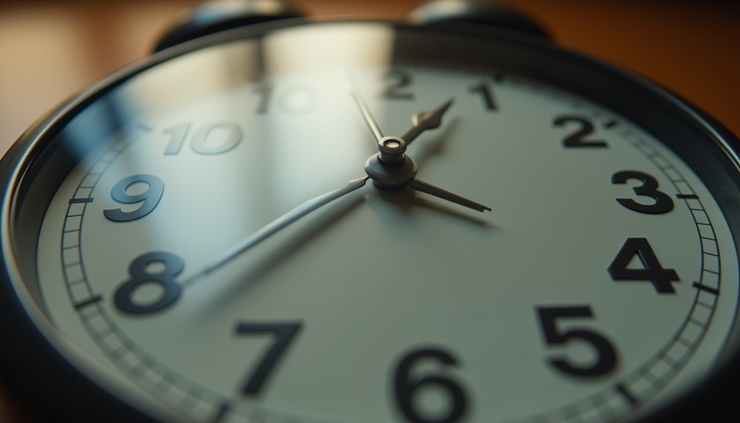
Benefits of Embracing Waiting
Cultivating patience and the art of waiting brings many benefits:
Reduced stress: Accepting delays lowers anxiety and frustration.
Improved decisions: Waiting allows time to gather information and consider options carefully.
Stronger relationships: Patience fosters empathy and better communication.
Greater resilience: Learning to wait builds emotional strength and adaptability.
Enhanced creativity: Giving ideas time to develop often leads to more original solutions.
Final Thoughts on Patience and Waiting
Waiting is not a passive state but an active practice that requires awareness and self-control. By embracing the art of waiting and the discipline of not interfering, we create space for growth, clarity, and peace. In a world that pushes for speed, choosing patience is a quiet form of strength.


Comments